
Nexa Blog
7 LinkedIn Prospecting Mistakes That Kill Your Lead Generation

LinkedIn has become one of the most powerful platforms for B2B lead generation. Founders, sales teams, and marketers use it daily to connect with potential customers.
But many people fail to generate results from LinkedIn because they unknowingly make a few common mistakes.
These mistakes can lead to low response rates, ignored messages, and wasted hours of prospecting.
In this guide, we’ll break down the most common LinkedIn prospecting mistakes and how you can avoid them.
Before avoiding these mistakes, it's important to understand how a proper LinkedIn lead generation system works.
1. Sending Generic Connection Requests
One of the biggest mistakes is sending connection requests without personalization.
Many users simply click Connect and send the default message.
The problem is that people receive dozens of requests every week. If your request looks generic, it will likely be ignored.
Instead, include a short personalized note explaining why you're reaching out.
Example:
Instead of:
I'd like to connect with you on LinkedIn.
Try something like:
Hi Sarah, I saw your post about SaaS growth strategies. I’d love to connect and follow your insights.
Small personalization can significantly improve acceptance rates.
2. Pitching Immediately After Connecting
Another common mistake is sending a sales pitch right after someone accepts your connection request.
This approach often feels spammy and pushy.
Remember that LinkedIn is a professional networking platform, not just a cold outreach channel.
Instead of pitching immediately, focus on building some rapport first. Engage with their posts or start a genuine conversation.
3. Targeting the Wrong Audience
Many founders struggle with LinkedIn prospecting because they target too broad an audience.
If your targeting is unclear, you will spend time reaching people who are unlikely to need your product.
A better approach is defining your ideal customer profile.
For example:
- Job title
- Industry
- Company size
- Location
The clearer your targeting, the better your results will be.
4. Sending Long Sales Messages
Long messages rarely work on LinkedIn.
People usually check LinkedIn quickly during work breaks, so they prefer short and clear messages.
If your outreach message is too long, it will likely be skipped.
A good outreach message should be:
- Short
- Relevant
- Easy to reply to
Think of your message as starting a conversation, not closing a sale immediately.
5. Not Following Up
Many prospects don’t respond to the first message.
This doesn’t always mean they’re not interested. Sometimes they simply missed it.
A polite follow-up message can often restart the conversation.
Just make sure the follow-up adds value instead of repeating the same pitch.
6. Doing Everything Manually
Manual prospecting works when you’re just starting.
But as your outreach grows, it becomes difficult to manually search profiles, qualify leads, and track prospects.
This is why many teams eventually use tools to automate lead discovery and prospect research.
Automation helps reduce the time spent searching for prospects while still identifying high-quality leads.
7. Ignoring Profile Optimization
Before reaching out to prospects, your own LinkedIn profile should look professional.
When someone receives your message, they will often check your profile first.
Make sure your profile clearly communicates:
- What you do
- Who you help
- What problem you solve
A well-optimized profile builds trust and improves response rates.
Conclusion
LinkedIn prospecting can be extremely effective when done correctly.
But many founders struggle because they make avoidable mistakes like sending generic requests, targeting the wrong audience, or pitching too aggressively.
By focusing on personalization, clear targeting, and meaningful conversations, you can significantly improve your results.
Over time, combining these strategies with smarter prospect discovery can help you scale your lead generation efforts.
Related articles
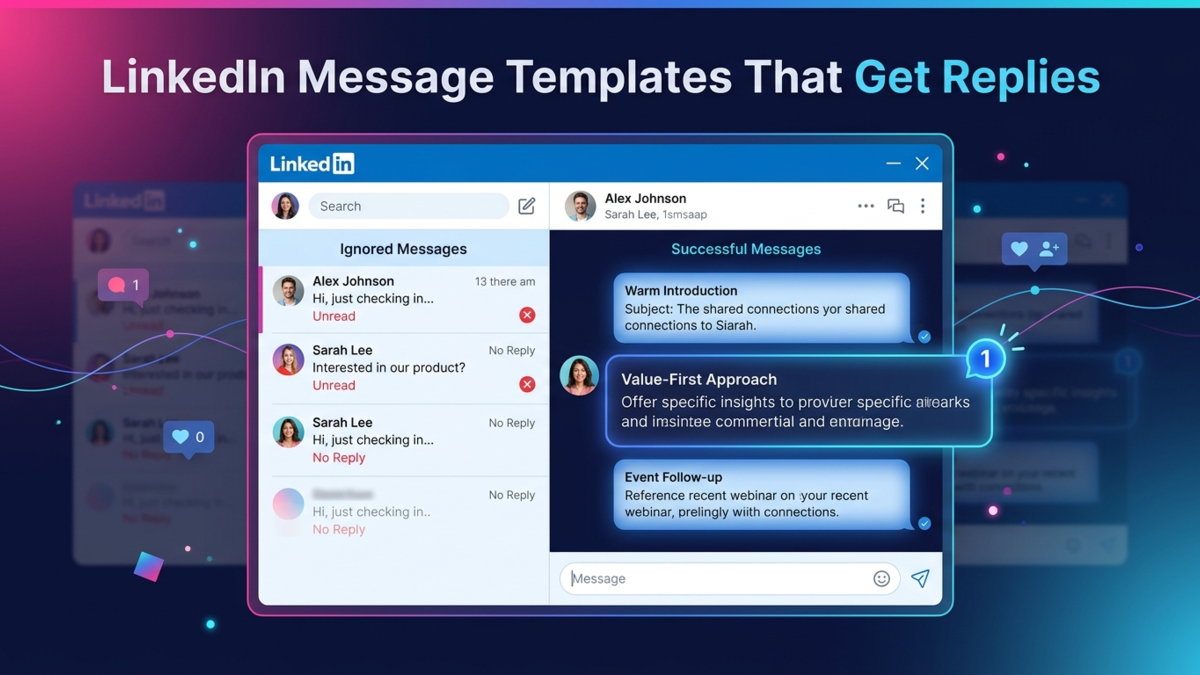
LinkedIn Cold Message Templates That Actually Get Replies (With Real Examples)
Struggling with LinkedIn outreach? These proven cold message templates help you start conversations and get replies without sounding spammy.
Read more →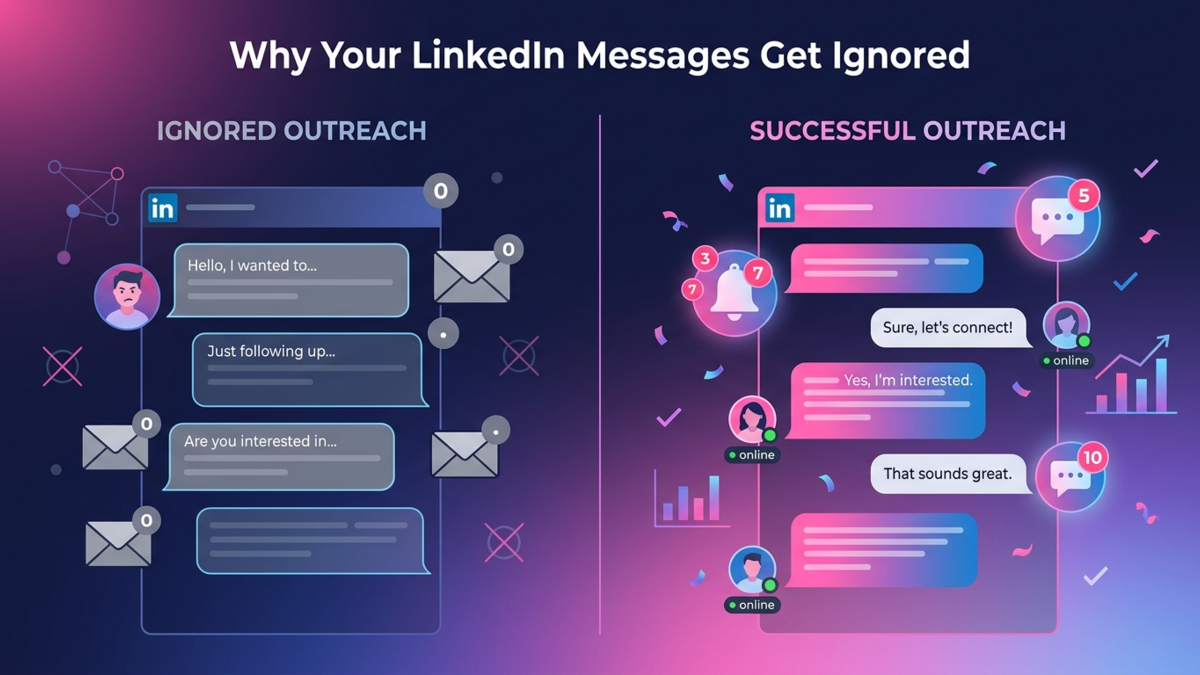
Why You’re Getting Ignored on LinkedIn (And How to Fix Your Outreach Fast)
If your LinkedIn messages are getting ignored, it’s not bad luck. Here’s exactly why it’s happening and how to fix your outreach to start getting replies.
Read more →
How to Get Your First 10 B2B Leads from LinkedIn (No Audience, No Budget)
A step-by-step system to get your first 10 qualified B2B leads from LinkedIn even if you have zero audience, no ads, and no expensive tools.
Read more →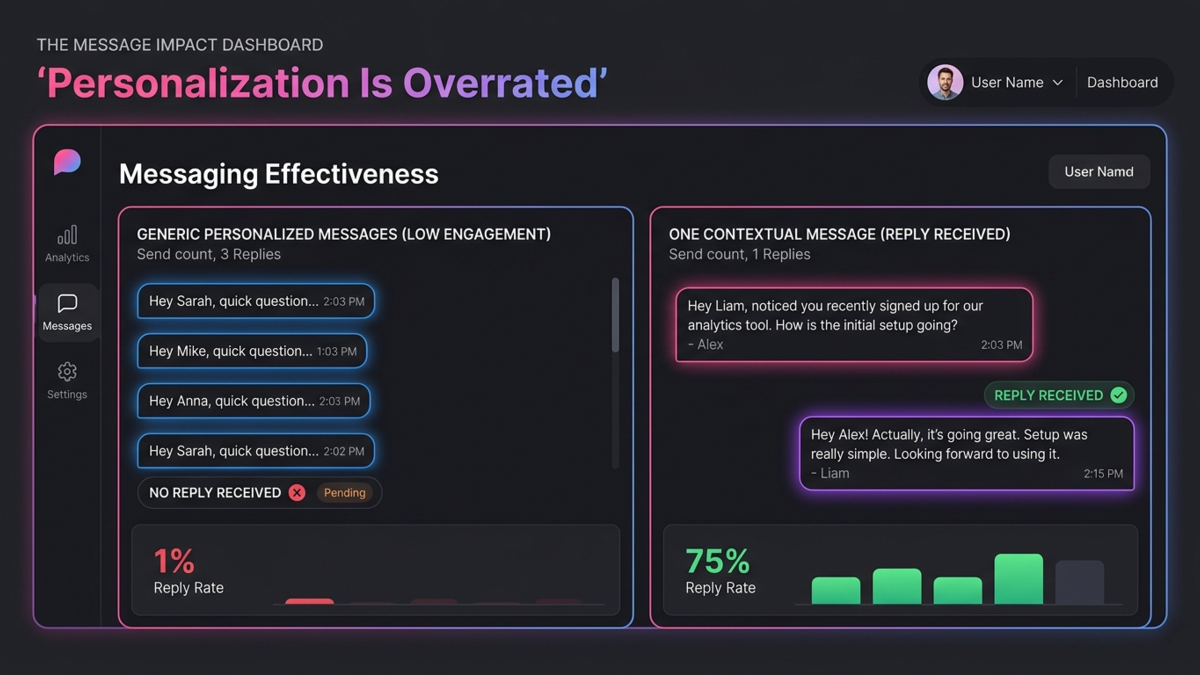
Personalization Is Overrated (Here’s What Actually Gets Replies)
Adding someone’s name and company won’t get you replies. Most personalization is fake—and prospects can tell instantly.
Read more →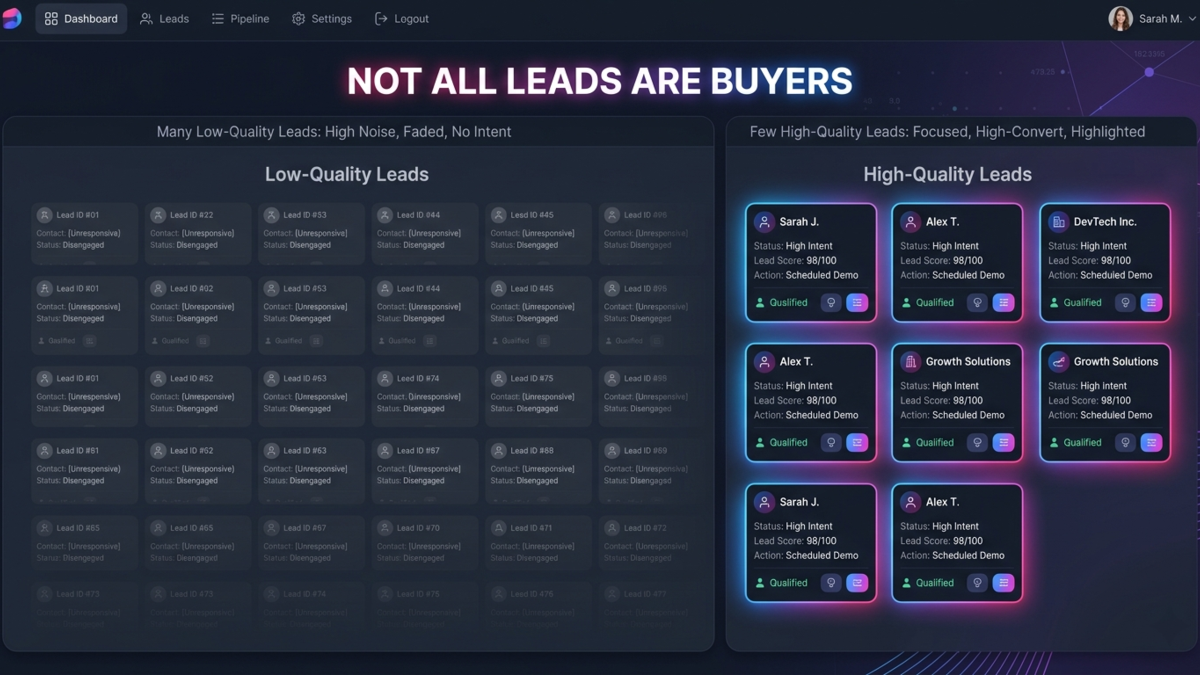
You Don’t Have a Lead Problem, You Have a Fake Lead Problem
If your leads aren’t converting, the problem isn’t closing. It’s that most of them were never real buyers in the first place.
Read more →